Why “D” Style Metal Drip Edge Is Not Recommended for Roofs with Rain Gutters
A small flashing choice that can cause big water-management problems when gutters are involved.
When installing or replacing a shingle roof that includes rain gutters, the type of drip edge flashing (the thin piece of metal installed along the edges of a roof) used along the eaves plays a critical role in managing water and protecting a home’s structure. D-style metal drip edge, while inexpensive and widely available, is generally not recommended for roof edges where gutters are present. The D-style design creates performance issues that can lead to long-term water damage, especially on longer gutter runs or in areas prone to heavy rain, wind-driven storms, or winter ice.
1. Insufficient Overhang into the Gutter
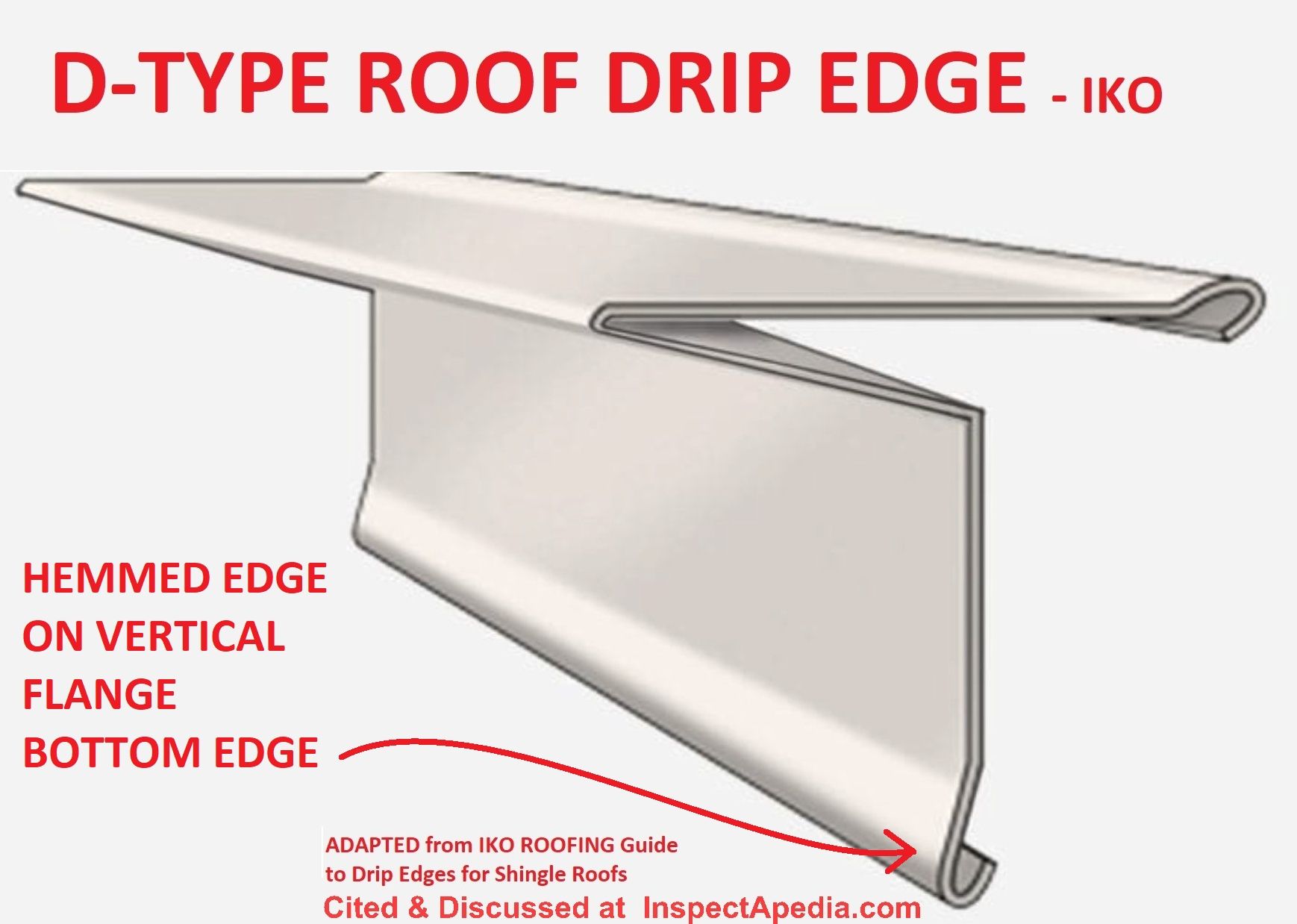
One of the main faults of D-style drip edge is its short lower flange which often does not extend far enough over the gutter, resulting in water shedding off the roof, or running down the face of the drip edge during windy rain.
The consequence is constant moisture exposure on the fascia board, which accelerates rot, causes paint failure, and weakens the material over time. In severe cases, the trapped moisture leads to structural damage that requires fascia-replacement and can cause gutters to loosen or pull away from the house.
2. Poor Performance with Proper Gutter Slope
For gutters to drain correctly, they must be installed with a slight slope toward the downspouts. The typical measurement is about ¼ inch every 10 to 20 feet. On longer gutter runs, the low end of the gutter can sit significantly lower than the high end, and with a D-style drip edge, this sloping becomes a problem. A short flange that barely clears the gutter at the high end of the run may end up one to two inches above the gutter at the low end, creating a gap. From there, the gap will allow water to stream behind the gutter instead of flowing into it.
In addition, D-metal typically builds out the roof overhang. Coupled with trim boards or crown molding on an angled fascia, this can cause rainwater to overshoot the gutter system entirely. In some cases, gutters are mounted in an unnaturally level position to prevent overshooting which compromises proper drainage.
3. Capillary Action and Wind-Driven Rain Issues
Without a longer leading edge that extends into the gutter, D-style drip edge is more susceptible to capillary action (water clings to the underside of the metal due to surface tension). Instead of dropping cleanly into the gutter, water can wick backward under the shingles or run down the fascia.
Wind-driven rain further compounds this issue. On long runs especially, rain can be forced behind the short flange of D-metal, bypassing the gutter system entirely and increasing the likelihood of moisture at the roof edge.
4. Interference with Existing Gutter Hangers During Re-Roofing
In re-roof scenarios where the existing gutter system is still in good condition, D-style metal can create installation problems. The rigid flashing may hit existing gutter hangers, preventing it from sitting flat on the roof decking.
When drip edge does not lay flat, it can lift the shingles at the roof edge. This creates a pathway for water to get behind the drip edge and into the fascia or roof assembly—defeating the purpose of the flashing altogether.
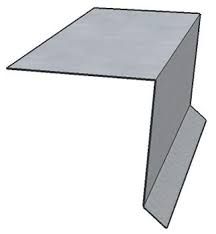
Examples of "G" Metal Edges
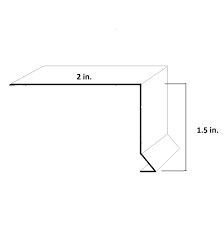
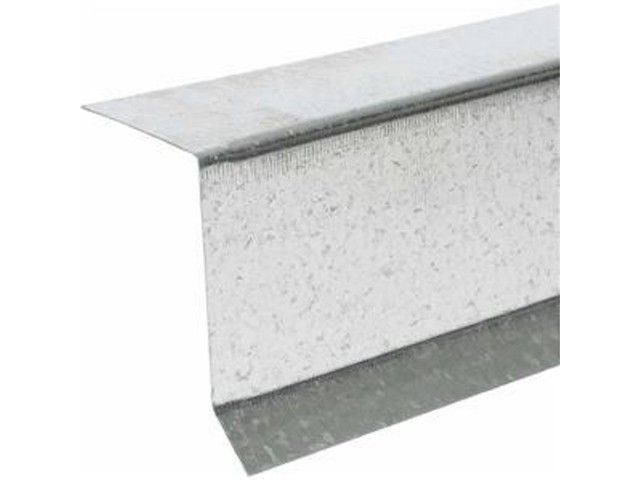
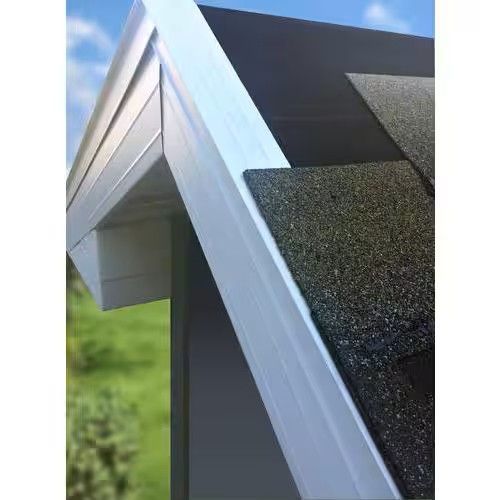
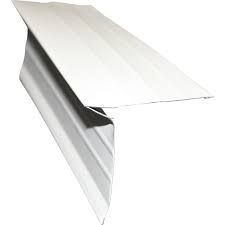
Examples of "D" Metal Edges
Summary
Choosing the correct drip edge is a small detail that will make a huge difference in the durability and performance of the entire roof and gutter system. While a D-style drip edge is preferred on rake edges where no gutters are present, it is a poor choice for eave edges with gutters. Yes, it may save a few cents per foot upfront, however; on the backend, it will cost much more to repair rotted fascia, stained siding, and non-functioning gutters.
For guttered roof edges, L-style or G-style metal flashing allows gutters to be properly pitched and tucked behind the drip edge, ensuring water is directed exactly as it should be. Further, these are one of the least expensive upgrades during roof or gutter replacement, as you can be confident that it will pay for itself through long-term protection and reduced maintenance.
Installing rain gutters is a specialized service. The crew at Rainman Seamless Rain Gutters is here for you. Founded in 1992, our family-owned business employs a team of tradesman and experts who offer over 100 years of combined and accumulated experience, industry-knowledge, and local support. As lifelong residents of the Spokane area, we take pride in the service and products our team provides. If you have questions about gutters, we have the answers. Contact Rainman Seamless Rain Gutters for more information.